
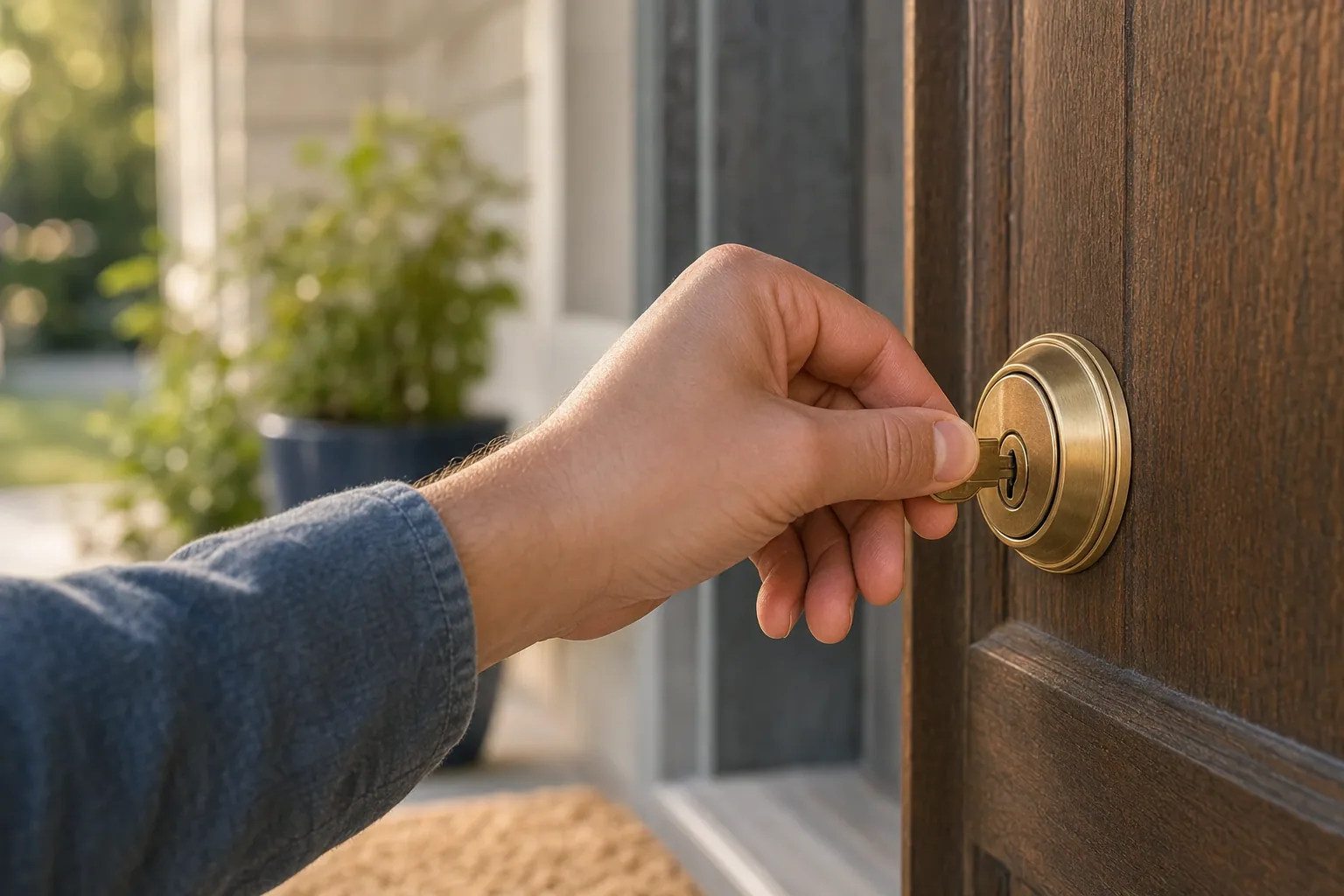
Your home's locks are the first line of defense against unwanted entry, yet many homeowners don't think about them until something goes wrong. A squeaky deadbolt, a key that sticks, or a lock that won't turn smoothly can be frustrating, but these problems are often preventable with basic maintenance. In this guide, we'll walk you through practical steps to keep your residential locks in top condition and help you know when it's time to call a professional.
Why Lock Maintenance Matters
Locks are mechanical devices that wear down over time. Dust, dirt, and debris accumulate inside the mechanism. Temperature swings and moisture cause metal parts to expand and contract. Regular use naturally wears on springs and pins. The good news is that a little preventive care can extend the life of your locks and help you avoid expensive emergency lockouts.
Thinking ahead about lock maintenance means you'll have secure, reliable locks when you need them most. It's much easier (and cheaper) to maintain a lock now than to deal with a broken lock or damaged door frame later.
Simple Cleaning and Lubrication Techniques
The most basic step in home lock repair is keeping your locks clean and properly lubricated.
Start by removing visible dirt and debris from around the lock. Use a dry cloth or soft brush to gently clean the exterior. Don't use water or harsh chemicals, which can cause rust or damage the finish.
For the interior mechanism, use a graphite powder lubricant or a silicone-based lock lubricant spray. These are available at most hardware stores. Avoid using WD-40 or general-purpose oils, which can attract dust and gum up the works over time.
Apply the lubricant sparingly into the keyhole and around the locking mechanism. Insert your key and turn it back and forth several times to work the lubricant through the pins and springs. Wipe away any excess with a clean cloth. This simple maintenance routine, done once or twice a year, can prevent many common lock problems.
Addressing Common Lock Issues at Home
Some minor lock problems can be addressed without calling in a professional.
If your key sticks or is difficult to turn, the lock may just need lubrication (as described above) or the key might be slightly bent. Try a spare key in the same lock. If the spare works smoothly, your primary key may be the issue and can be replaced.
If the deadbolt is difficult to engage, check that the strike plate (the metal piece on the door frame) is properly aligned with the bolt. A misaligned strike plate is often caused by a sagging door frame. Loosen the screws on the strike plate slightly and tap it into proper alignment, then retighten.
For a squeaky lock, a small amount of silicone lubricant on the hinge and around the lock mechanism will usually solve the problem.
If you notice your door handle is loose, tighten the set screws inside the interior trim ring or handle cover. Most handles have a small screw or hex key adjustment that takes just a minute to tighten.
When to Call a Residential Locksmith
While basic maintenance and minor adjustments are within reach for most homeowners, some problems require professional attention.
If your key breaks off inside the lock, do not attempt to remove it yourself with pliers or tweezers, as you could damage the lock's internal mechanism. A professional can extract the broken piece and restore your lock to working order.
If your lock is damaged by an attempted break-in, wear and tear has caused the mechanism to fail, or you suspect your lock may have been compromised, contact a residential locksmith right away. Joe's Lock and Key offers home lock repair and replacement services and can assess whether your lock can be fixed or needs to be replaced entirely.
Similarly, if you've lost your house keys or had them stolen, a residential locksmith can rekey your locks so old keys no longer work. This is an important security step that shouldn't be delayed.
If your door frame has shifted and the bolt no longer aligns with the strike plate, or if the lock mechanism simply won't operate no matter what you try, professional help ensures the job is done right the first time. Attempting complex repairs yourself could make the problem worse and end up costing more in the long run.
Upgrading Your Home Security
If your locks are aging or you simply want better security, upgrading is worth considering. Older locks may use weaker designs that are easier to pick or break. Modern deadbolts, including smart locks, offer improved security and convenience.
When upgrading residential locks, consider your priorities. Do you want a traditional deadbolt, a smart lock that works with your phone, or a combination of both for different entry points? A professional residential locksmith can help you choose the right hardware for your home and ensure proper installation so your new locks function smoothly for years to come.
A Year-Round Maintenance Schedule
Keeping up with lock maintenance doesn't require much time. Here's a simple approach:
- Spring and fall, clean and lubricate all exterior locks and frequently used interior locks.
- After winter, inspect strike plates and door alignment to ensure doors close properly.
- If you notice any sticking, squeaking, or difficulty turning a key, address it immediately.
- Check keys periodically for bending or wear. If a key feels different, have it inspected.
- Consider a professional inspection every few years, especially for aging locks.
This simple routine takes just a few hours per year and can prevent lockouts, broken keys, and costly emergency calls.
Knowing When to Replace Instead of Repair
Not every lock problem has a simple fix. If a lock is very old, has been damaged by attempted entry, or no longer operates smoothly even after cleaning and lubrication, replacement is usually the best option. Continuing to force an unreliable lock puts your security at risk and may eventually leave you locked out.
A professional locksmith can evaluate your locks and tell you honestly whether repair or replacement makes more sense. Joe's Lock and Key provides both services and will help you understand your options with transparent, no-hidden-fee pricing.
Taking care of your residential locks through basic maintenance and timely repairs keeps your home secure and avoids the stress of unexpected lockouts or security breaches. Start with simple cleaning and lubrication, address minor issues as they arise, and don't hesitate to call a professional when the problem is beyond basic fixes. Your home's security is worth the small effort it takes to maintain it well.