
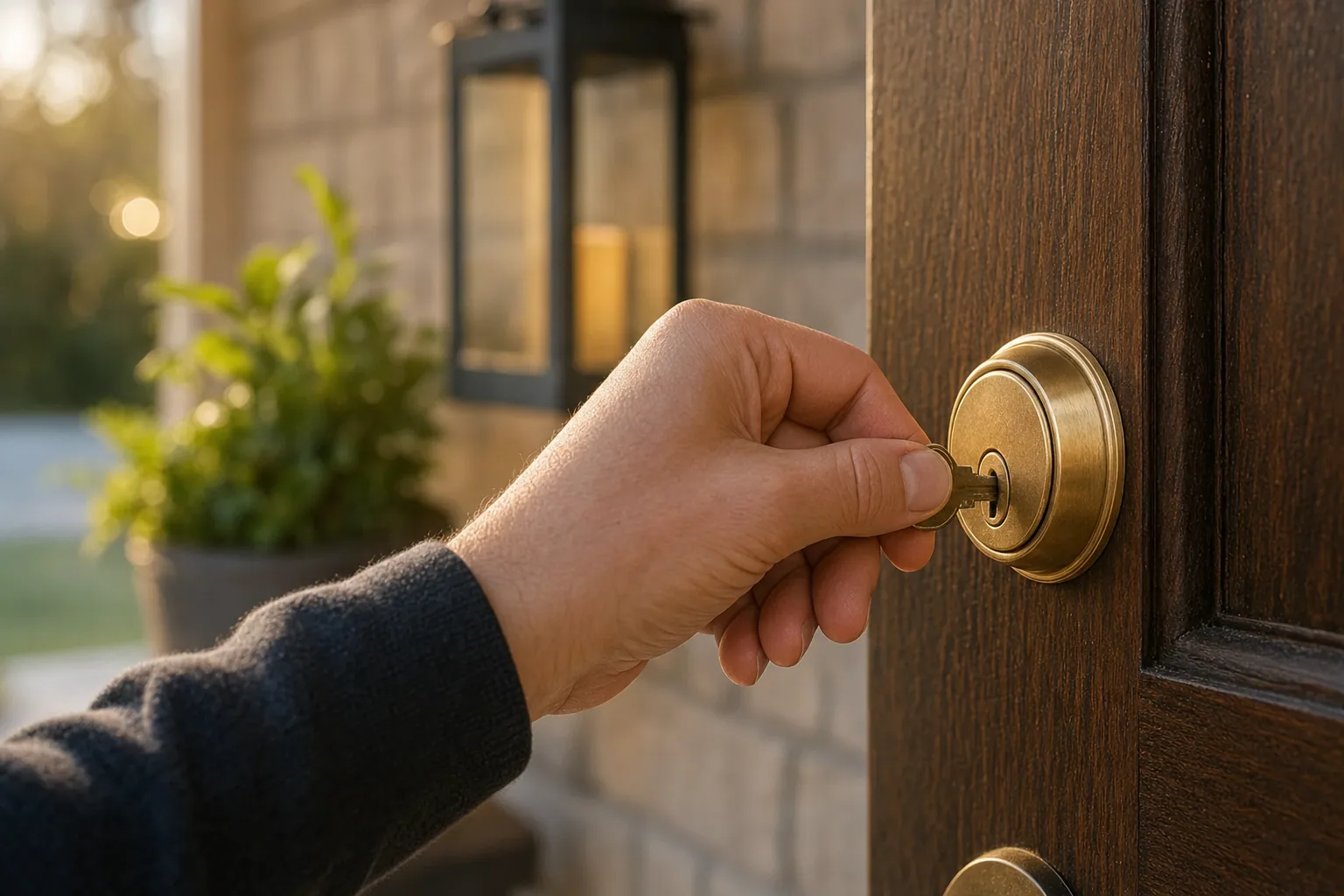
Your locks are one of the most important security features in your home, yet most people don't think about maintaining them until something breaks. By then, you might find yourself locked out, facing an expensive repair, or worse, dealing with a security vulnerability.
The good news is that home lock problems are largely preventable. With a little care and attention, you can keep your locks working smoothly for years to come. Here's what you need to know.
Regular Maintenance Keeps Locks Healthy
Just like any other mechanical system in your home, locks need maintenance. The most important step is lubrication.
Over time, dust, dirt, and debris build up inside your lock mechanism. This causes friction and makes the key harder to turn. Eventually, the lock can jam or stop working entirely.
To prevent this:
- Use a dry lubricant like graphite powder or silicone spray inside the lock every six months
- Apply the lubricant directly into the keyhole, then work the key in and out several times
- Wipe away any excess with a clean cloth
- Avoid using WD-40 or oil-based lubricants, which attract dirt and create sticky buildup
This simple maintenance task takes just a few minutes and can extend the life of your locks significantly.
Protect Your Keys From Damage
A broken or bent key is one of the most common reasons people get locked out. Protecting your keys is easier than you might think.
First, don't use your keys as tools. That screwdriver in your pocket tempts you, but your key is not a pry bar, and using it that way will bend or break it.
Second, be mindful of where you keep your keys. Don't leave them in back pockets where they can bend under your weight, and don't drop them or throw them on hard surfaces. Keys that take a hard hit can develop internal damage that makes them fail in your lock.
Third, have a spare key made and stored somewhere safe. If your primary key breaks, you'll still have access to your home without needing an emergency lockout service.
Address Lock and Door Frame Issues Promptly
Small problems get bigger if you ignore them. If your key is becoming harder to turn, your lock feels loose, or your door isn't closing properly, don't wait.
A loose lock might be a simple fix, like tightening screws on the interior of the lock. A misaligned door frame can cause the bolt to bind, putting strain on the lock mechanism. These issues are inexpensive to address when caught early, but they can lead to lock failure if left alone.
If you're not comfortable making the adjustment yourself, a professional locksmith can diagnose the problem quickly. Whether it's a simple adjustment or a residential lock installation, getting it done right prevents bigger headaches later.
Upgrade Aging or Worn Locks
Locks don't last forever. A lock that's 10 or 20 years old might be on borrowed time, even if it still works. As locks age, internal components wear down, making them less reliable and more susceptible to weather damage.
If you have old locks, consider proactive replacement before they fail. Modern locks are more durable and often come with improved security features. Plus, you avoid the stress of an unexpected lockout.
When you do decide to upgrade, you have options beyond traditional key locks. Smart locks, deadbolts, and high-security locks offer better protection and convenience. A professional locksmith can help you choose the right upgrade for your home and budget.
Keep Your Door Frame and Hardware Secure
Even a perfect lock can fail if the door frame or hardware is weak. Inspect the area around your lock regularly.
Look for:
- Cracks or splintering in the door frame
- Loose or missing screws in the strike plate (the metal piece the bolt enters)
- Gaps between the door and frame
- Signs of attempted tampering or forced entry
Tighten loose screws and replace any damaged hardware. If the frame is cracked or weak, reinforce it or have a professional assess whether the door needs replacement.
A strong frame and secure hardware are just as important as a quality lock. All three working together keep your home safe.
Know When to Call a Professional
Some lock maintenance you can handle yourself, but some jobs require expertise. If you're unsure whether your lock is salvageable or if you need help choosing an upgrade, don't guess.
A licensed locksmith can inspect your locks, identify wear or damage, and recommend solutions that fit your needs and budget. They have the tools to make adjustments you can't make at home, and they can install new locks correctly the first time.
The Bottom Line
Home lock problems don't have to catch you off guard. A little preventive maintenance, careful key handling, and prompt attention to small issues will keep your locks working reliably for years. When you do need professional help, whether it's an adjustment, repair, or upgrade, Joe's Lock and Key in Bakersfield is here to help. We've been serving local homeowners for over five decades with honest pricing and quick response times. Keep your locks healthy, and you'll stay secure and stress-free.